.jpg)


*Lohari Savanga: Preserving a Legacy of Rural Development
*Chief Minister Devendra Fadnavis to Spend Diwali Here*
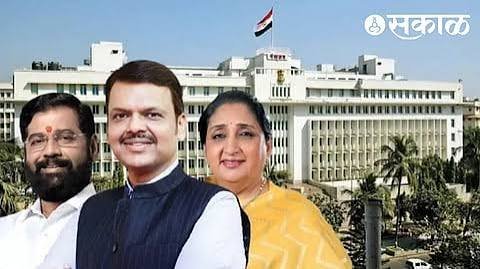
Nagpur, November 7 – The true essence of rural Maharashtra’s development is reflected in the social, economic, and agricultural life of its villages. Lohari Savanga, a village in Nagpur district, is one such example. With agriculture at its core, the village has pursued a path of development while upholding its historical legacy. Located in Narkhed taluka, Lohari Savanga—which established its Gram Panchayat in 1948—has continued its journey of progress over the decades. In light of the upcoming visit by Chief Minister Devendra Fadnavis, the village’s social, economic, and agricultural characteristics have gained significance.
The Lohari Savanga Gram Panchayat was established in 1948. It currently consists of 12 members—seven women and five men. According to the 2011 Census, the village has a total population of 4,264, comprising 2,414 men and 1,850 women. There are 844 households in the village, of which 590 fall under the APL (Above Poverty Line) category and 254 under the BPL (Below Poverty Line) category. Administratively, the village is divided into four wards.
Agriculture serves as the backbone of the economy in Lohari Savanga. Key crops grown in the village include cotton, pigeon pea (tur), oranges, sweet limes (mosambi), soybeans, chickpeas (harbhara), and wheat. In addition to traditional crops, the cultivation of fruit orchards has provided further avenues for agricultural income. The cropping patterns here serve as a microcosm of the agrarian economy of the Vidarbha region.
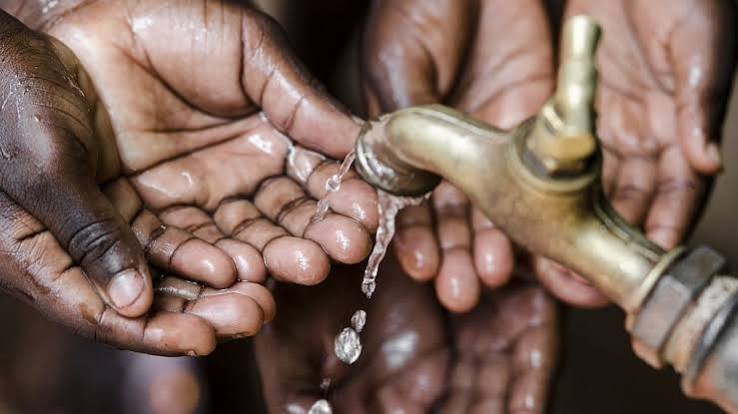
The village has 810 registered tap-water connections, a significant detail regarding the local water supply infrastructure in this rural area. According to available records for the year 2026, the total number of voters in the village is 2,400. The geographical area of ??the village spans 979.19 hectares.
The development of the village is not limited solely to infrastructure; rather, it encompasses various sectors, including agriculture, water supply, employment, education, and healthcare. For families dependent on agriculture, it is essential to provide opportunities for increasing their income through access to modern agricultural technology, irrigation facilities, fair markets for their produce, and the establishment of agro-processing industries.