.jpg)


Action based on non-existent law; Bombay High Court imposes ?5 lakh fine on Maharashtra Government
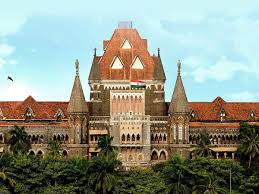
Mumbai: The Bombay High Court has imposed a fine of ?5 lakh on the Maharashtra government for taking action against a company based on a law that does not exist. The court quashed the notice and the penal action involved in a dispute that had dragged on for nearly a decade.
A petition filed by IVRCL Limited was heard by a single-judge bench presided over by Justice Kamal Khata. The notice issued to the company cited Section 29(4) of the ‘Bombay Minor Minerals Act, 1955’. However, the state government itself admitted that no such law exists. The court termed this an example of the administration's thoughtless approach.
What is the case about?
The matter pertains to the construction of the Computer Centre complex at IIT Bombay, Powai. The Department of Atomic Energy had awarded this work to IVRCL. In accordance with the contract, the excess soil generated from excavation was used to fill low-lying areas within the IIT campus itself. A certificate from senior engineers was also available.
Despite this, in 2010, officials imposed a fine of ?54.08 lakh on the company, alleging the unauthorized excavation of 3,800 brass of soil. The company subsequently filed a petition in the High Court.
Court's observations
The court clarified that the excavated soil was neither transported outside the campus nor put to commercial use. Therefore, it could not be classified as a ‘minor mineral,’ and the question of levying a fine or royalty did not arise.
After the petition was filed, the government failed to submit a response for eight years. The company was forced to fight a legal battle spanning a decade. Taking into account the financial and mental distress caused by this, the court imposed a fine of ?5 lakh on the government.
Order to the government
Compensation of ?5 lakh must be paid within four weeks. An affidavit must be submitted by August 24 detailing the corrective measures being taken to prevent such errors from recurring.
Citing Supreme Court judgments, the court also advised the government to avoid unnecessary litigation and adopt a conciliatory approach.
Mumbai: The Bombay High Court has imposed a fine of ?5 lakh on the Maharashtra government for taking action against a company based on a law that does not exist. The court quashed the notice and the penal action involved in a dispute that had dragged on for nearly a decade.
A petition filed by IVRCL Limited was heard by a single-judge bench presided over by Justice Kamal Khata. The notice issued to the company cited Section 29(4) of the ‘Bombay Minor Minerals Act, 1955’. However, the state government itself admitted that no such law exists. The court termed this an example of the administration's thoughtless approach.
What is the case about?
The matter pertains to the construction of the Computer Centre complex at IIT Bombay, Powai. The Department of Atomic Energy had awarded this work to IVRCL. In accordance with the contract, the excess soil generated from excavation was used to fill low-lying areas within the IIT campus itself. A certificate from senior engineers was also available.
Despite this, in 2010, officials imposed a fine of ?54.08 lakh on the company, alleging the unauthorized excavation of 3,800 brass of soil. The company subsequently filed a petition in the High Court.
Court's observations
The court clarified that the excavated soil was neither transported outside the campus nor put to commercial use. Therefore, it could not be classified as a ‘minor mineral,’ and the question of levying a fine or royalty did not arise.
After the petition was filed, the government failed to submit a response for eight years. The company was forced to fight a legal battle spanning a decade. Taking into account the financial and mental distress caused by this, the court imposed a fine of ?5 lakh on the government.
Order to the government
Compensation of ?5 lakh must be paid within four weeks. An affidavit must be submitted by August 24 detailing the corrective measures being taken to prevent such errors from recurring.
Citing Supreme Court judgments, the court also advised the government to avoid unnecessary litigation and adopt a conciliatory approach.
A petition filed by IVRCL Limited was heard by a single-judge bench presided over by Justice Kamal Khata. The notice issued to the company cited Section 29(4) of the ‘Bombay Minor Minerals Act, 1955’. However, the state government itself admitted that no such law exists. The court termed this an example of the administration's thoughtless approach.
What is the case about?
The matter pertains to the construction of the Computer Centre complex at IIT Bombay, Powai. The Department of Atomic Energy had awarded this work to IVRCL. In accordance with the contract, the excess soil generated from excavation was used to fill low-lying areas within the IIT campus itself. A certificate from senior engineers was also available.
Despite this, in 2010, officials imposed a fine of ?54.08 lakh on the company, alleging the unauthorized excavation of 3,800 brass of soil. The company subsequently filed a petition in the High Court.
Court's observations
The court clarified that the excavated soil was neither transported outside the campus nor put to commercial use. Therefore, it could not be classified as a ‘minor mineral,’ and the question of levying a fine or royalty did not arise.
After the petition was filed, the government failed to submit a response for eight years. The company was forced to fight a legal battle spanning a decade. Taking into account the financial and mental distress caused by this, the court imposed a fine of ?5 lakh on the government.
Order to the government
Compensation of ?5 lakh must be paid within four weeks. An affidavit must be submitted by August 24 detailing the corrective measures being taken to prevent such errors from recurring.
Citing Supreme Court judgments, the court also advised the government to avoid unnecessary litigation and adopt a conciliatory approach.