.jpg)
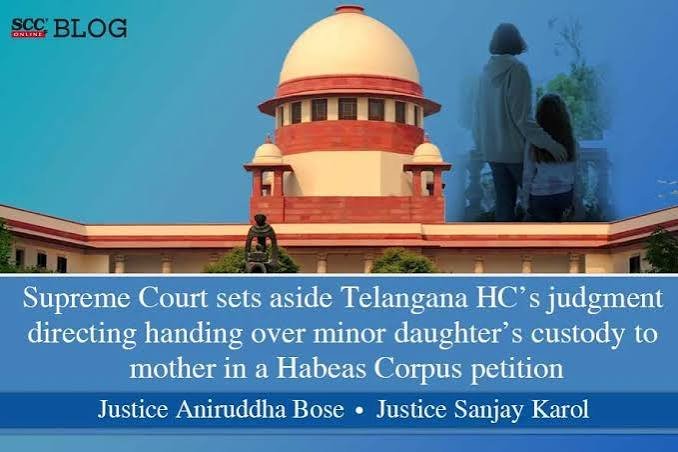


Adult woman has full right to choose her life partner; mother's habeas corpus petition dismissed – Nagpur High Court's significant ruling
Nagpur: Adult children are not the property of their parents. The Nagpur Bench of the Bombay High Court has delivered a significant ruling stating that if an adult woman has chosen her life partner of her own volition, a habeas corpus petition cannot be filed to regain her custody.
The case involves a 17-year-old girl from Nagpur who left home for tuition classes but did not return. CCTV footage revealed her leaving with a young man. The police located the girl and handed her custody back to her mother; however, she subsequently left home again. Following this, the mother approached the High Court, filing a petition alleging that her daughter was being held in illegal confinement. She also alleged that a case under the POCSO Act had not been registered against the young man involved.
The High Court recorded the girl's statement. She clearly stated that she had left her mother of her own free will to be with the young man and wished to continue living with him. By the time of the hearing, the girl had attained the age of majority. The Court observed that the girl was now an adult and possessed the full right to choose her life partner.
The Court rejected the mother's claim regarding "illegal custody while a minor." Citing Supreme Court precedents in its verdict, the Court noted that in such matters, the welfare of the child takes precedence over parental rights. For a habeas corpus petition to be entertained, proof of illegal confinement is essential. As this was not established, the Nagpur Bench dismissed the mother's petition.
This decision provides important legal clarity regarding the right of adults to choose their own life partners.
Nagpur: Adult children are not the property of their parents. The Nagpur Bench of the Bombay High Court has delivered a significant ruling stating that if an adult woman has chosen her life partner of her own volition, a habeas corpus petition cannot be filed to regain her custody.
The case involves a 17-year-old girl from Nagpur who left home for tuition classes but did not return. CCTV footage revealed her leaving with a young man. The police located the girl and handed her custody back to her mother; however, she subsequently left home again. Following this, the mother approached the High Court, filing a petition alleging that her daughter was being held in illegal confinement. She also alleged that a case under the POCSO Act had not been registered against the young man involved.
The High Court recorded the girl's statement. She clearly stated that she had left her mother of her own free will to be with the young man and wished to continue living with him. By the time of the hearing, the girl had attained the age of majority. The Court observed that the girl was now an adult and possessed the full right to choose her life partner.
The Court rejected the mother's claim regarding "illegal custody while a minor." Citing Supreme Court precedents in its verdict, the Court noted that in such matters, the welfare of the child takes precedence over parental rights. For a habeas corpus petition to be entertained, proof of illegal confinement is essential. As this was not established, the Nagpur Bench dismissed the mother's petition.
This decision provides important legal clarity regarding the right of adults to choose their own life partners.
The case involves a 17-year-old girl from Nagpur who left home for tuition classes but did not return. CCTV footage revealed her leaving with a young man. The police located the girl and handed her custody back to her mother; however, she subsequently left home again. Following this, the mother approached the High Court, filing a petition alleging that her daughter was being held in illegal confinement. She also alleged that a case under the POCSO Act had not been registered against the young man involved.
The High Court recorded the girl's statement. She clearly stated that she had left her mother of her own free will to be with the young man and wished to continue living with him. By the time of the hearing, the girl had attained the age of majority. The Court observed that the girl was now an adult and possessed the full right to choose her life partner.
The Court rejected the mother's claim regarding "illegal custody while a minor." Citing Supreme Court precedents in its verdict, the Court noted that in such matters, the welfare of the child takes precedence over parental rights. For a habeas corpus petition to be entertained, proof of illegal confinement is essential. As this was not established, the Nagpur Bench dismissed the mother's petition.
This decision provides important legal clarity regarding the right of adults to choose their own life partners.