Environment Minister Marriyum Aurangzeb’s Allegation: India Responsible for Pollution in Lahore;

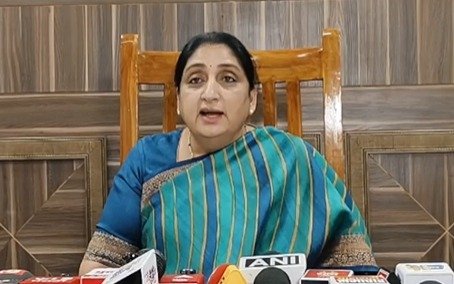
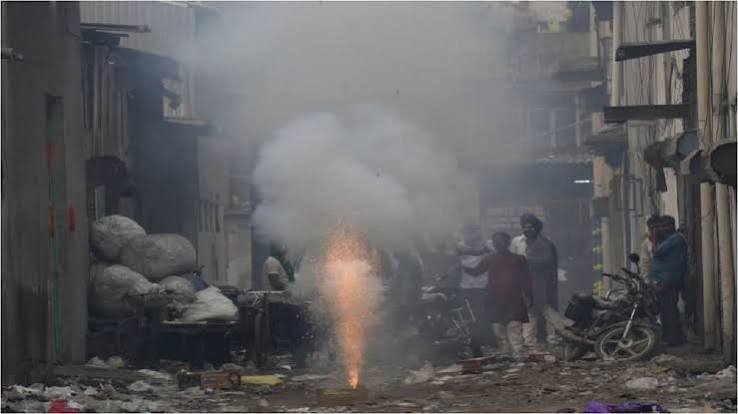
Lahore: Smog following Diwali is reaching Pakistan. In Lahore, the capital of Pakistan’s Punjab province, rising air pollution has made it difficult for residents to breathe. Pakistan has directly held India responsible for this critical situation. On Tuesday, Marriyum Aurangzeb, the Environment Minister for Punjab province, claimed in a post on ‘X’ (formerly Twitter) that pollution generated in Indian Punjab and New Delhi following Diwali is reaching Pakistan, carried by winds blowing from the east. She expressed concern that this would lead to a further deterioration in Lahore’s air quality. Marriyum Aurangzeb presented data from cities located near the Indian border, noting that pollution levels have reached dangerous thresholds at 24 out of 34 monitoring stations in Indian Punjab. In seven locations, the Air Quality Index (AQI) has exceeded 1,000. Specifically, an AQI of 1,588 was recorded in Faridkot, 1,032 in Bathinda, 1,244 in Abohar, 848 in Jalandhar, and 537 in New Delhi. Pollution levels in Amritsar, Gurdaspur, and other border cities are also at concerning levels. She cited data for areas near the border—Khemkaran, located just 49 kilometers from Lahore, recorded an AQI of 631; Patti recorded 291; and Amritsar recorded 514. According to her, low wind speeds and the direction of the wind—blowing toward Pakistan—are causing this pollution to mix directly into the air over Lahore. Consequently, the AQI in Lahore is expected to remain in the ‘very unhealthy’ to ‘hazardous’ range, particularly during the night and morning hours. However, they noted that if the weather improves later in the day and the wind direction shifts, there could be some reduction in pollution levels. The Punjab government is monitoring the situation and has urged citizens to take precautions when stepping outdoors. Instructions have been issued to follow the guidelines laid out by the Environmental Protection Agency (EPA) of Punjab. Efforts are also underway to take action against the burning of crop residue and waste, regulate industries and brick kilns, and address vehicular emissions. With the pollution situation in Lahore remaining critical, this allegation by a Pakistani minister has added a new dimension to the issue of cross-border pollution.