.jpg)
Breaking News
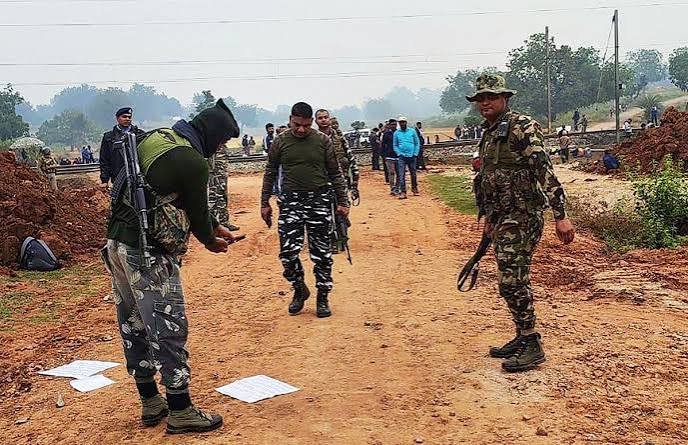
- Major decision by the CRPF following the end of Maoism; an entire battalion withdrawn from Sukma, to be redeployed to Manipur.
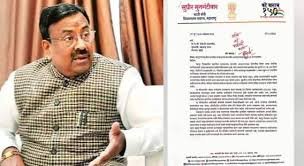
- Scrap the Kanhalgaon Wildlife Sanctuary! Sudhir Mungantiwar writes to Chief Minister Fadnavis; lashes out at environmentalists
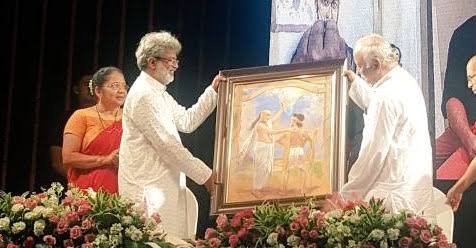
- Art should provide direction to society, rather than merely offering beauty and entertainment: Senior Artist Vasudeo Kamat
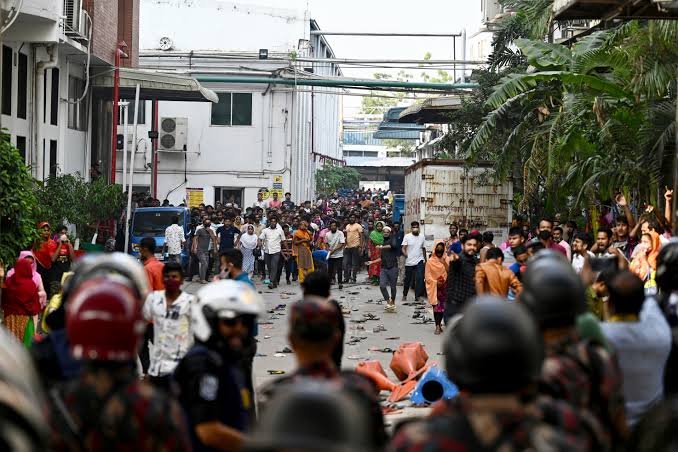
- Garment Workers in Bangladesh Protest Aggressively for Wage Hikes; Clashes with Police, 13 Factories Closed
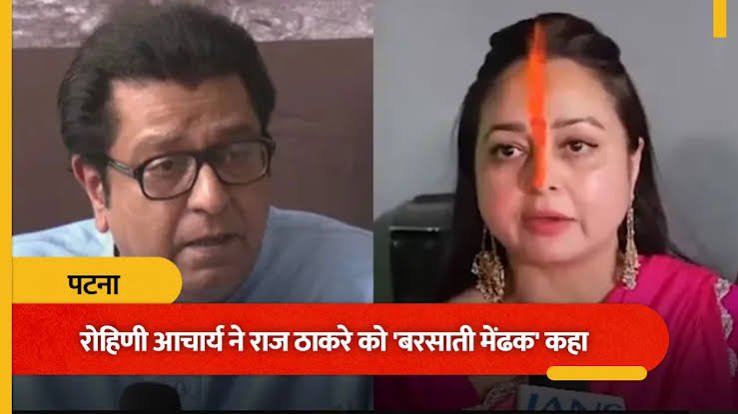
- Mumbai Chhath Puja Controversy: Rohini Acharya Launches Sharp Attack on Raj Thackeray; BJP Also Questioned
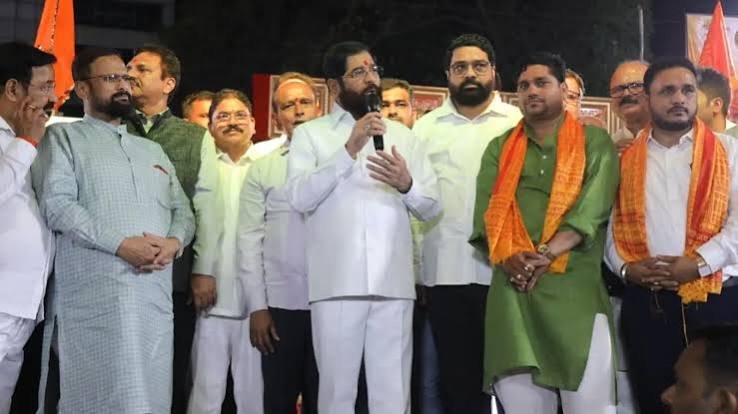
- “COVID-19 ran away because we celebrated festivals with great enthusiasm after I became Chief Minister”: Eknath Shinde’s remark in Thane
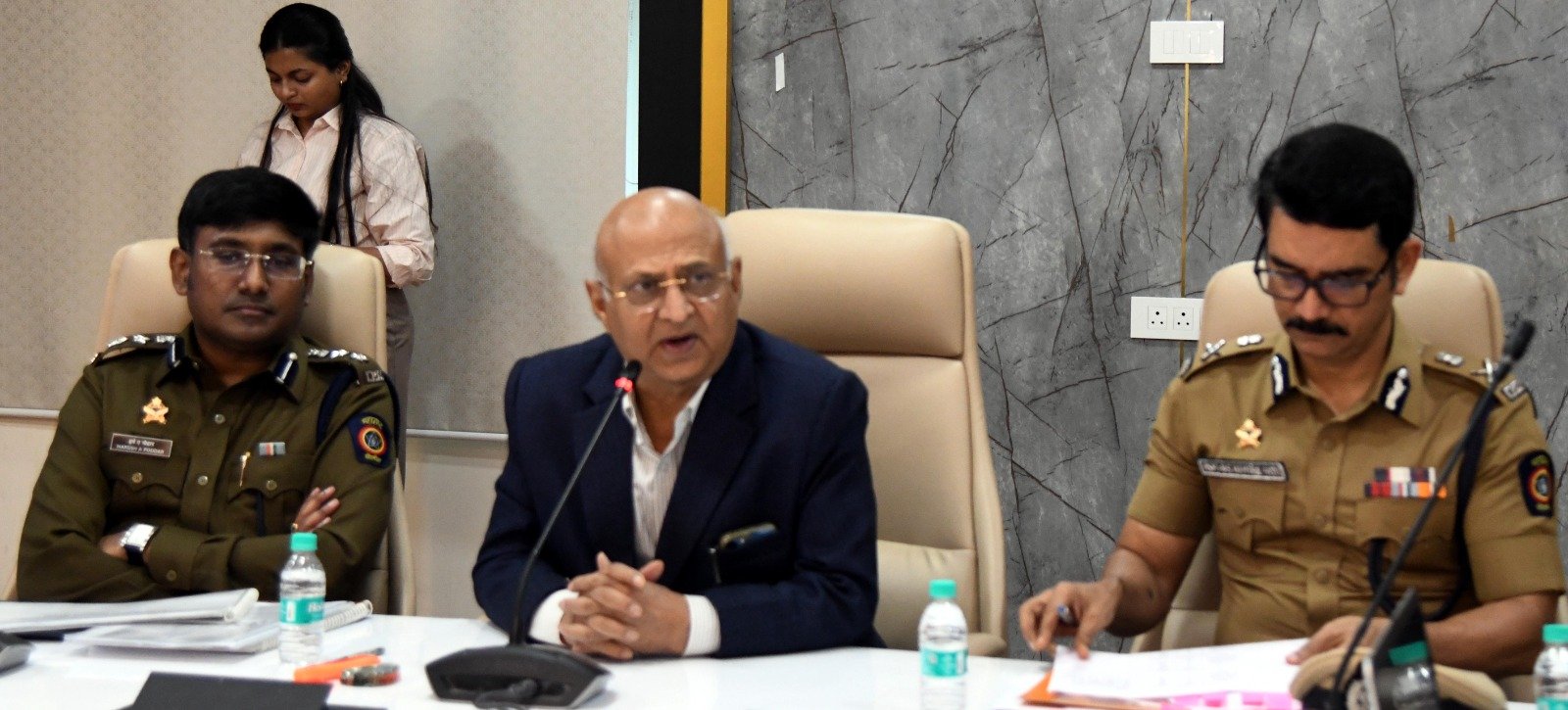
- Implement Strict Traffic Enforcement to Prevent Road Accidents in Nagpur City Justice Abhay Manohar Sapre
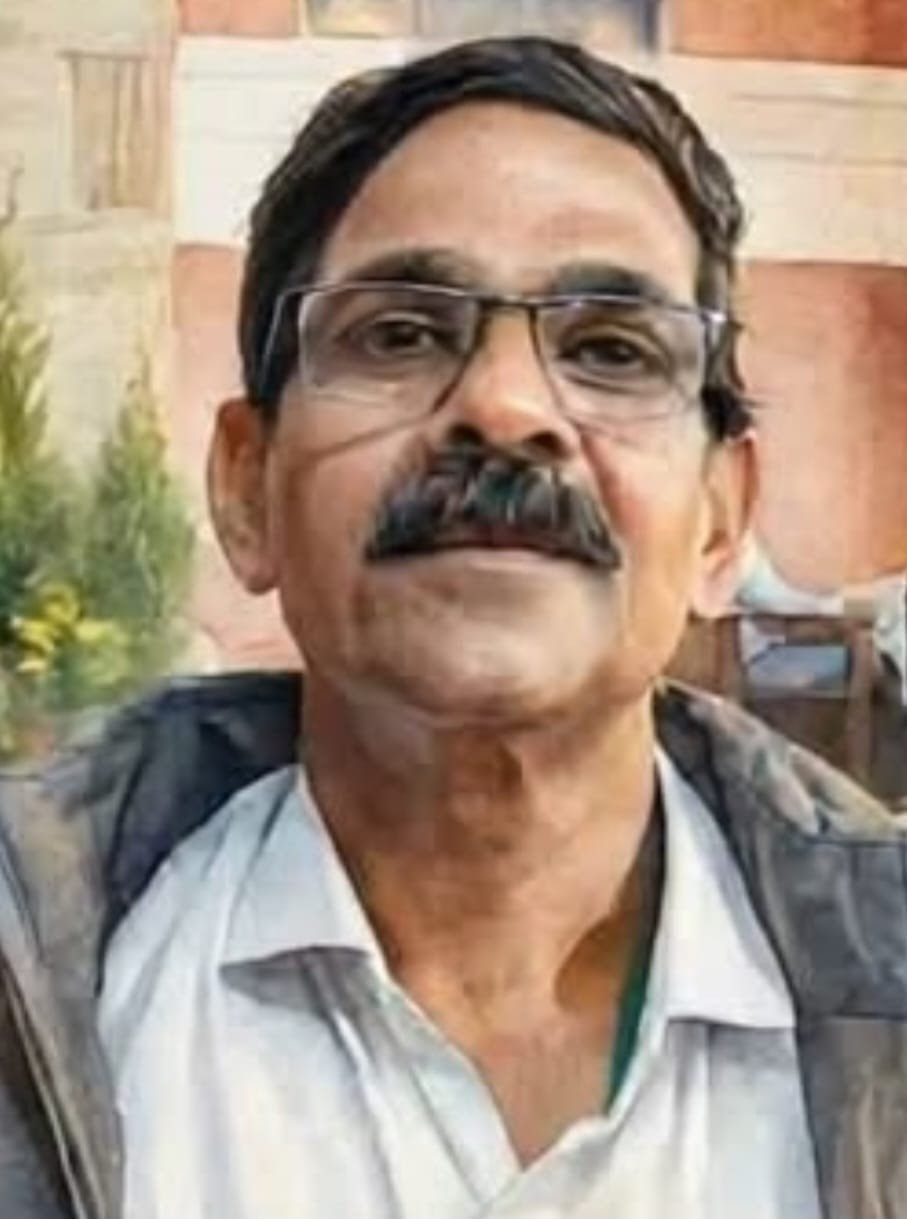
- Senior Journalist Rajendra Uttalwar Passes Away
- Responding to environmentalists, Gogawale defends the Torrent project; urges adherence to the 'Mahayuti' (ruling alliance) coalition dharma.
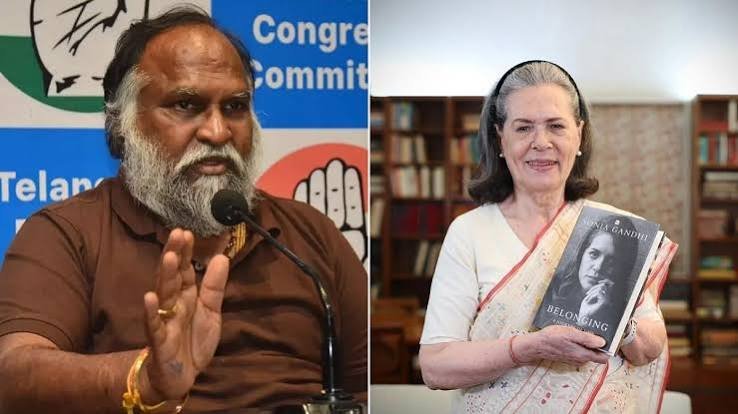
- Telugu Biopic Based on Sonia Gandhi’s Autobiography Announced;