Milk prices increased by ?2 to ?4; will the extra money reach cattle farmers during this drought? A need for transparency in cooperative unions.

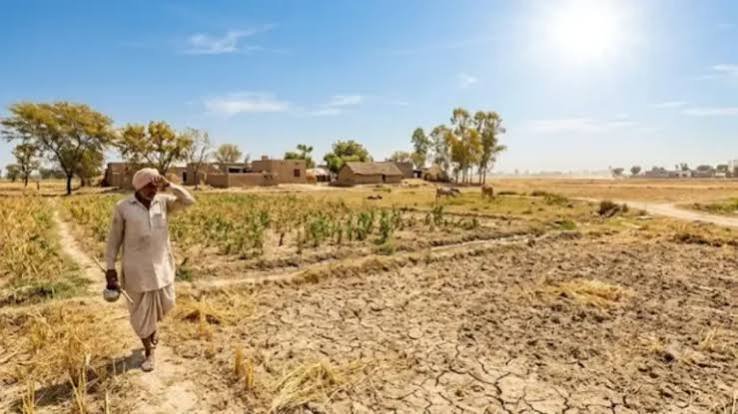
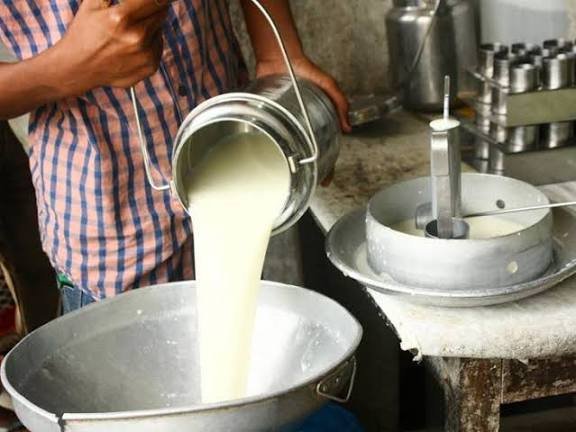
Nagpur / Mumbai: Since November 12, milk prices in the state have risen by two to four rupees per litre. With household budgets already strained, it is natural for consumers to perceive this hike as yet another inflationary blow. However, it would be a mistake to assume that higher milk prices automatically make the producers wealthy. Amidst the shadow of a drought, a critical question has emerged: will the actual benefits of this price increase reach the cattle farmers? Many talukas in the state are currently facing drought conditions. Green fodder has been exhausted, and the cost of dry fodder is on the rise. With water levels in dams dropping, providing drinking water for livestock has become a serious challenge. Furthermore, the costs of animal feed, veterinary care, and labor are increasing. Rising temperatures and unseasonal rains are also negatively impacting milk production. Previously, livestock could graze on open pastures; now, they must be kept in sheds, which has significantly driven up fodder costs. Additionally, the ethanol policy is expected to increase the demand for raw materials like maize and sugarcane, potentially putting further upward pressure on the prices of animal feed. For a family consuming one to two litres of milk daily, this price hike translates to an additional monthly expense of approximately ?60 to ?250—a burden that consumers will certainly feel. However, Dr. Venkatrao Ghorpade, a retired Assistant Commissioner, suggests that one must also consider the daily costs incurred by a rural cattle farmer just to keep their animals alive. Notably, ‘Amul’ and ‘Mother Dairy’ have previously stated that they pass on approximately 75 to 80 percent of their sales revenue to the producers. However, the producer does not necessarily receive the full benefit of an increase in retail prices. By the time milk travels from the village to the city, costs associated with collection, chilling, transportation, processing, and distribution are incurred. There must be transparent access to information regarding the price paid to the producer, the processing costs of the dairy cooperative, distribution expenses, and the final retail price. In a cooperative model, the producer should be at the center; yet, in some instances, the position of a director in a dairy cooperative is perceived merely as a source of prestige, power, and perks. There must be transparency regarding the remuneration, vehicles, and other facilities provided to these directors. Producers spend their entire day—from early morning until late at night—tending to their cattle; their participation in the decision-making process must be increased, and the actual cost of production must be taken into account when determining milk prices. The hard work involved in the dairy business is not always visible to consumers. Daily tasks—such as providing fodder and water, maintaining the cleanliness of the cattle shed, and milking—continue regardless of festivals or holidays. The economic value of this labor should be reflected in the price. Simply raising prices is not the only solution; consistent attention must be paid to the availability of fodder, cattle feed, silage, and water for the animals. If livestock farmers cannot survive during periods of drought, the market will face a milk shortage in the future, leading to further price hikes and an increase in milk adulteration. Once a livestock herd is depleted, it takes years to rebuild it. Therefore, accepting a modest price increase today serves as a guarantee for future milk supplies and nutritional security. It must be strictly ensured, however, that this additional revenue actually reaches the producer. Dairy cooperatives, distributors, and the government must foster trust through transparent operations. The cooperative movement will only truly flourish when prosperity reaches the homes of those whose sweat produces the milk.