.jpg)


The Daily Nightmare of Mumbaikars: The 'Gasping' Local Trains and Unplanned Blocks—Passengers' Lives Ruined!
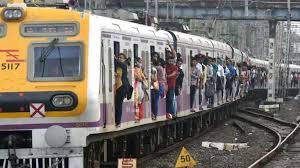
Mumbai, April 6, 2026: The suburban local railway—hailed as the lifeline of Mumbai—currently appears to be gasping for breath. Frequent chaos across the Central, Western, and Harbour lines over the past few days has subjected passengers to immense suffering. Once known for running with clockwork precision—down to the very second—these local trains are now running hours behind schedule. The timetable has been thrown into complete disarray, leaving passengers unable to even predict when their next train will arrive.
The primary culprit behind this crisis is the sudden and unplanned 'block' (maintenance shutdown). In the past, blocks were scheduled specifically for planned maintenance; however, they have now evolved into the leading cause of daily misery for commuters. Instead of restricting these activities to weekends, the railway administration now abruptly announces blocks at any time during broad daylight. Officials claim that maintenance and repair work is already conducted during the three hours at night when local services are suspended; this raises a pertinent question: what, then, is the necessity of imposing blocks during the day?
The impact on passengers is dire. Every day, hundreds of thousands of Mumbaikars commute with their hearts in their mouths—constantly fearing for their safety. Reaching the office on time or returning home promptly is no longer within their control. Delays, overcrowding, sudden train cancellations, and last-minute platform changes combine to ruin their entire day. Salaried employees face reprimands at their workplaces, while late arrivals at home cut into precious time that could otherwise be spent with their families. This is no longer merely a transportation issue; it has evolved into a critical question concerning the overall quality of life and standard of living for the residents of Mumbai.
The railway administration, however, remains preoccupied with evading responsibility. They attempt to brush the matter aside by citing vague "technical glitches" or claiming that "developmental works" are underway. But why must developmental works be executed by holding passengers hostage? Why is no consideration given to the passengers' time and their daily schedules when imposing these blocks? And why are adequate alternative arrangements not being provided to mitigate the disruption? Many such questions remain unanswered.
Experts and commuters suggest that the railway administration should meticulously plan maintenance blocks. They should provide passengers with real-time updates and transparent information, and increase the availability of alternative services. Most importantly, passengers should be treated not merely as 'customers,' but as 'partners.' Mere promises are insufficient; concrete steps must be taken to restore the disrupted rhythm of the Mumbai Local railway system.
The people of Mumbai are now exhausted. This harrowing daily commute is taking a toll on their physical health, mental well-being, and productivity. The demand for the railway administration to take this matter seriously and implement immediate remedial measures is gaining momentum.
Mumbai, April 6, 2026: The suburban local railway—hailed as the lifeline of Mumbai—currently appears to be gasping for breath. Frequent chaos across the Central, Western, and Harbour lines over the past few days has subjected passengers to immense suffering. Once known for running with clockwork precision—down to the very second—these local trains are now running hours behind schedule. The timetable has been thrown into complete disarray, leaving passengers unable to even predict when their next train will arrive.
The primary culprit behind this crisis is the sudden and unplanned 'block' (maintenance shutdown). In the past, blocks were scheduled specifically for planned maintenance; however, they have now evolved into the leading cause of daily misery for commuters. Instead of restricting these activities to weekends, the railway administration now abruptly announces blocks at any time during broad daylight. Officials claim that maintenance and repair work is already conducted during the three hours at night when local services are suspended; this raises a pertinent question: what, then, is the necessity of imposing blocks during the day?
The impact on passengers is dire. Every day, hundreds of thousands of Mumbaikars commute with their hearts in their mouths—constantly fearing for their safety. Reaching the office on time or returning home promptly is no longer within their control. Delays, overcrowding, sudden train cancellations, and last-minute platform changes combine to ruin their entire day. Salaried employees face reprimands at their workplaces, while late arrivals at home cut into precious time that could otherwise be spent with their families. This is no longer merely a transportation issue; it has evolved into a critical question concerning the overall quality of life and standard of living for the residents of Mumbai.
The railway administration, however, remains preoccupied with evading responsibility. They attempt to brush the matter aside by citing vague "technical glitches" or claiming that "developmental works" are underway. But why must developmental works be executed by holding passengers hostage? Why is no consideration given to the passengers' time and their daily schedules when imposing these blocks? And why are adequate alternative arrangements not being provided to mitigate the disruption? Many such questions remain unanswered.
Experts and commuters suggest that the railway administration should meticulously plan maintenance blocks. They should provide passengers with real-time updates and transparent information, and increase the availability of alternative services. Most importantly, passengers should be treated not merely as 'customers,' but as 'partners.' Mere promises are insufficient; concrete steps must be taken to restore the disrupted rhythm of the Mumbai Local railway system.
The people of Mumbai are now exhausted. This harrowing daily commute is taking a toll on their physical health, mental well-being, and productivity. The demand for the railway administration to take this matter seriously and implement immediate remedial measures is gaining momentum.
The primary culprit behind this crisis is the sudden and unplanned 'block' (maintenance shutdown). In the past, blocks were scheduled specifically for planned maintenance; however, they have now evolved into the leading cause of daily misery for commuters. Instead of restricting these activities to weekends, the railway administration now abruptly announces blocks at any time during broad daylight. Officials claim that maintenance and repair work is already conducted during the three hours at night when local services are suspended; this raises a pertinent question: what, then, is the necessity of imposing blocks during the day?
The impact on passengers is dire. Every day, hundreds of thousands of Mumbaikars commute with their hearts in their mouths—constantly fearing for their safety. Reaching the office on time or returning home promptly is no longer within their control. Delays, overcrowding, sudden train cancellations, and last-minute platform changes combine to ruin their entire day. Salaried employees face reprimands at their workplaces, while late arrivals at home cut into precious time that could otherwise be spent with their families. This is no longer merely a transportation issue; it has evolved into a critical question concerning the overall quality of life and standard of living for the residents of Mumbai.
The railway administration, however, remains preoccupied with evading responsibility. They attempt to brush the matter aside by citing vague "technical glitches" or claiming that "developmental works" are underway. But why must developmental works be executed by holding passengers hostage? Why is no consideration given to the passengers' time and their daily schedules when imposing these blocks? And why are adequate alternative arrangements not being provided to mitigate the disruption? Many such questions remain unanswered.
Experts and commuters suggest that the railway administration should meticulously plan maintenance blocks. They should provide passengers with real-time updates and transparent information, and increase the availability of alternative services. Most importantly, passengers should be treated not merely as 'customers,' but as 'partners.' Mere promises are insufficient; concrete steps must be taken to restore the disrupted rhythm of the Mumbai Local railway system.
The people of Mumbai are now exhausted. This harrowing daily commute is taking a toll on their physical health, mental well-being, and productivity. The demand for the railway administration to take this matter seriously and implement immediate remedial measures is gaining momentum.