.jpg)
Breaking News
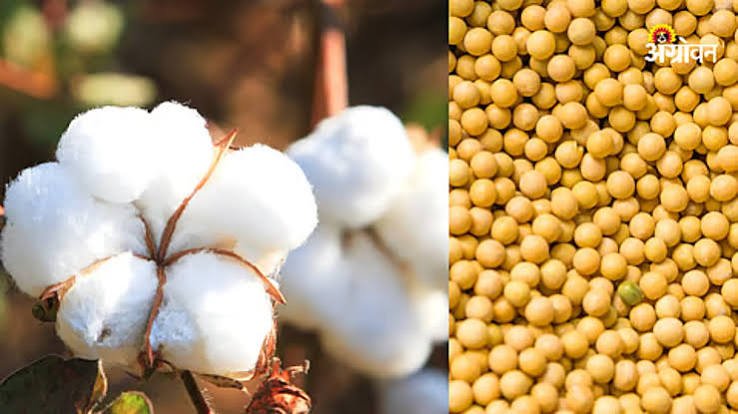
- The shadow of a severe drought looms over the state; soybean production is projected to decline by 56%, and cotton by 42%.
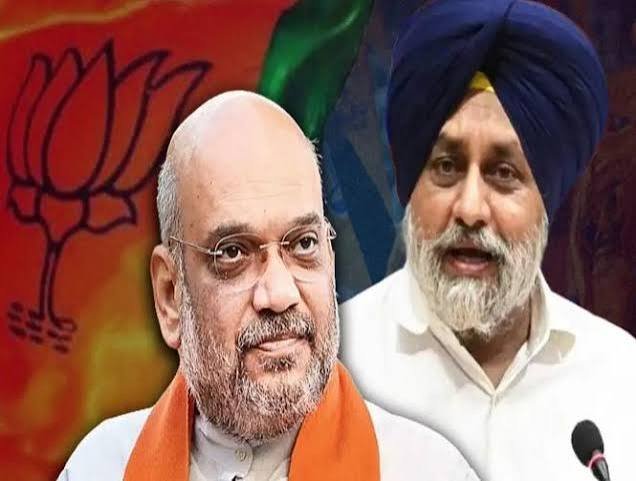
- BJP and Akali Dal to Reunite Ahead of Punjab Elections! Major Announcement Expected Today in Delhi by Amit Shah and Sukhbir Badal
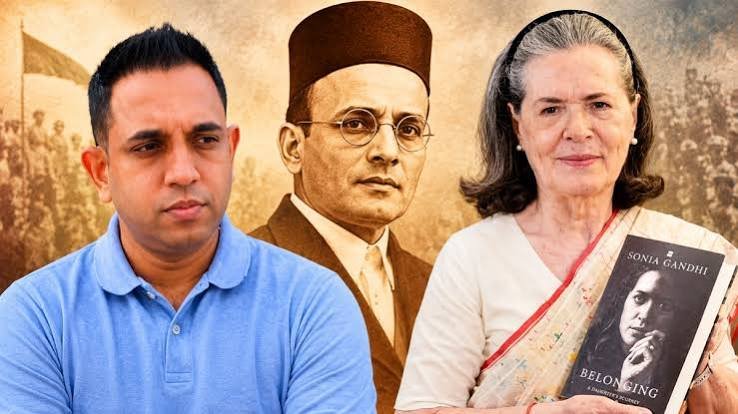
- Savarkar’s grandson sends legal notice to Sonia Gandhi; objects to references in the book ‘Belonging’
- Carcinogenic substances found in Bisleri bottled water; FSSAI grants approval for prosecution
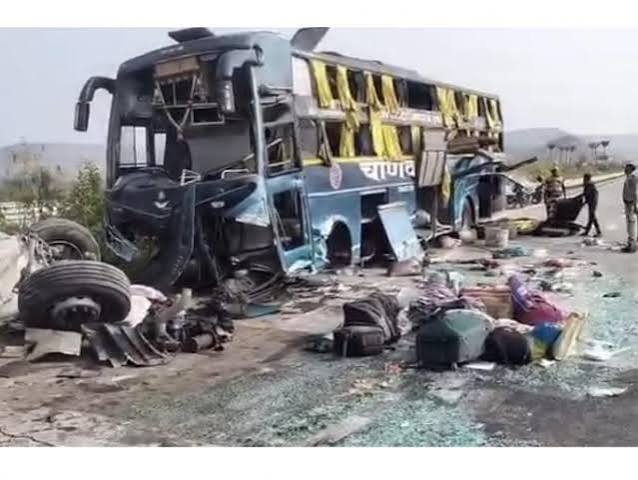
- Chanakya Travels bus overturns on Samruddhi Mahamarg; two dead, 30 injured; severe accident caused by driver dozing off.
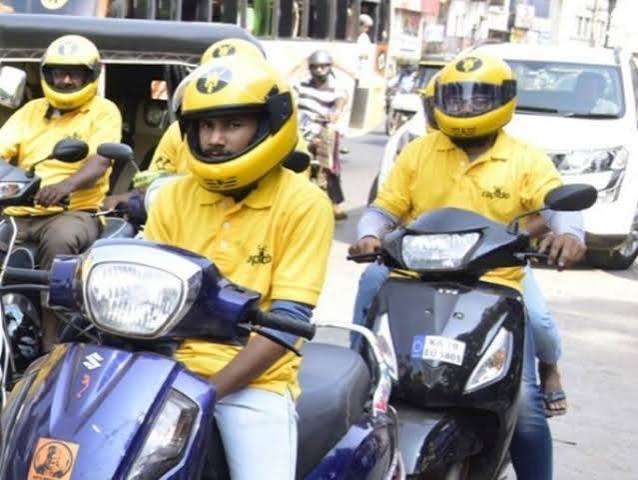
- Bike Taxis Not Yet Permitted in Nagpur Action to be Taken Against Unauthorized Operators
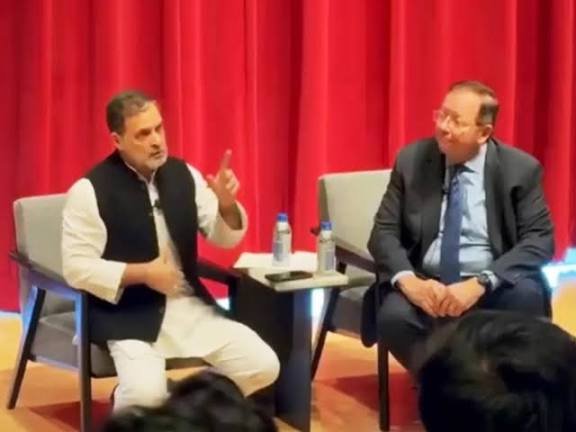
- Stop terrorism, then consider talks! Rahul Gandhi’s clear message to Pakistan
- Notorious Gangster Naseem Durrani Killed in Encounter in Bulandshahr; Major Operation by Delhi Police
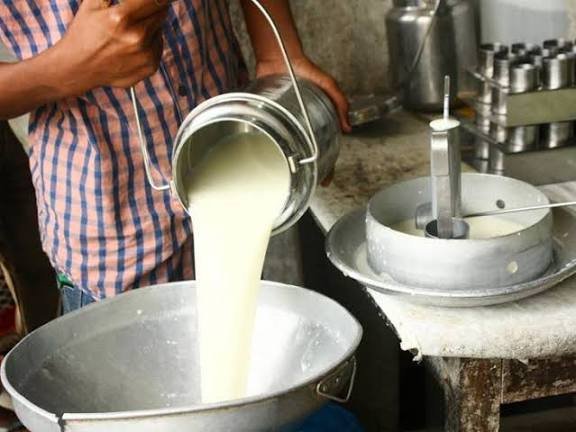
- Milk prices increased by ?2 to ?4; will the extra money reach cattle farmers during this drought? A need for transparency in cooperative unions.
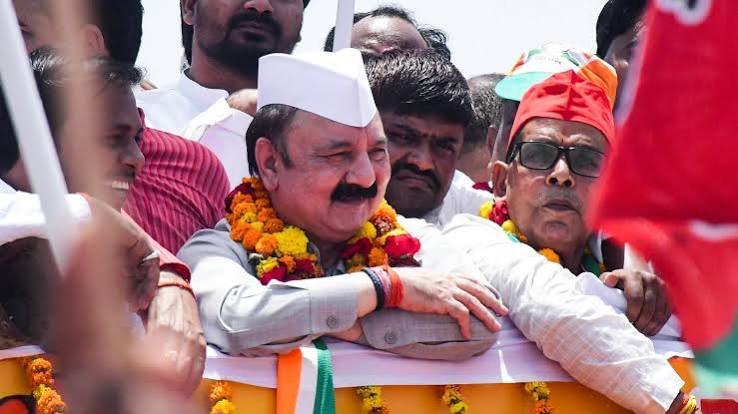
- Kishori Lal Sharma, the Amethi MP who defeated Smriti Irani, joins the Punjab election committee; what is his connection to Ludhiana?