.jpg)
Breaking News
- Responding to environmentalists, Gogawale defends the Torrent project; urges adherence to the 'Mahayuti' (ruling alliance) coalition dharma.
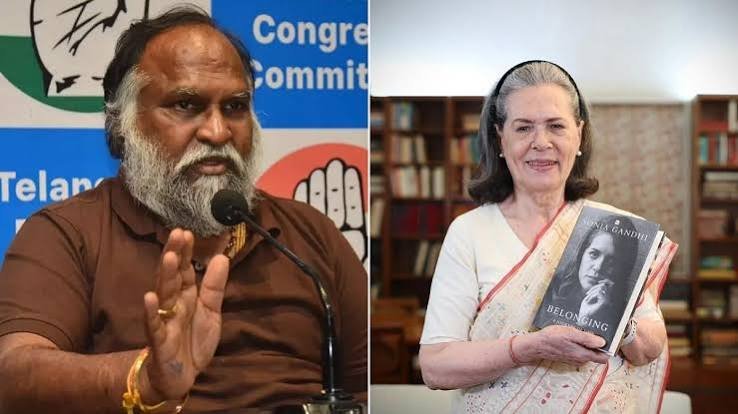
- Telugu Biopic Based on Sonia Gandhi’s Autobiography Announced;
- Sonam Wangchuk under house arrest? 60-day ban on entry into Leh; tension peaks over Ladakh elections
- Retired Officials to Oversee Exams, Including at Overseas Centers; NTA’s New Decision
- Major Supreme Court Ruling: Women Must Disclose the Source of Gold Found at Home; 500-Gram Limit Does Not Imply Total Exemption
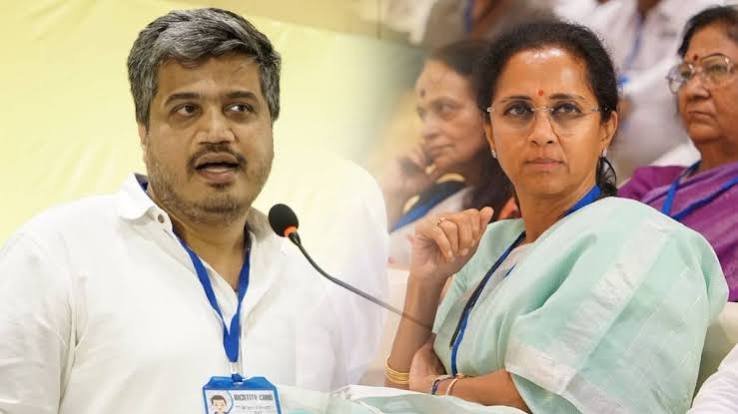
- A ‘Merger-Merger’ game underway? Raut takes a dig, Rohit Pawar accuses the BJP; Supriya Sule puts the matter to rest
- “The BJP leveled false allegations throughout my mother’s life; now they are opposing her because she is telling the truth” – Priyanka Gandhi
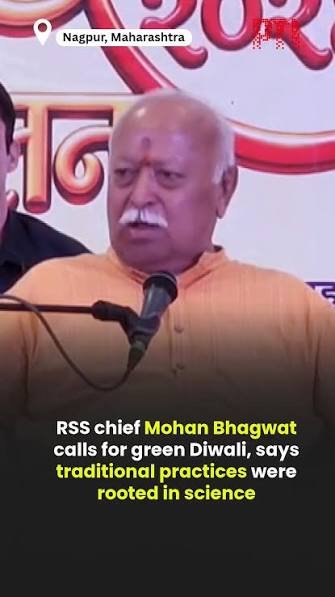
- Mohan Bhagwat’s Claim: Smoke from Firecrackers Purifies the Environment; Festivals Will Not Stop
- Two Special Police Officers (SPOs) murdered in Kishtwar; bodies found riddled with bullets
- Environment Minister Marriyum Aurangzeb’s Allegation: India Responsible for Pollution in Lahore;


Major Supreme Court Ruling: Women Must Disclose the Source of Gold Found at Home; 500-Gram Limit Does Not Imply Total Exemption
Releated



.jpg)