.jpg)


'Does the HPV Vaccine Disrupt Menstruation or Cause Pregnancy Issues?' – Pune
Municipal Corporation's Health Department Launches Major Awareness Campaign
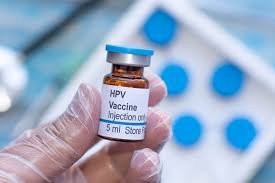
Pune: To protect girls from cervical cancer, the Health Department of the Pune Municipal Corporation launched an HPV (Human Papillomavirus) vaccination drive on March 9, 2026. However, as the campaign has not received the expected response, the Health Department has now initiated a door-to-door awareness drive.
The primary objective of this campaign is to vaccinate approximately 33,000 girls who have completed 14 years of age but have not yet turned 15. The HPV virus is the primary cause in 99.7 percent of cervical cancer cases. A prolonged infection with this virus increases the risk of developing cancer. To completely eradicate this cancer by 2030, a vaccination target of 90 percent has been set for girls under the age of 15.
Prior to the commencement of the municipal campaign, various NGOs had already vaccinated 2,265 girls through school-based drives. However, since the launch of the municipal campaign on March 9, only 303 girls have been vaccinated so far. The Health Department has attributed this low turnout primarily to various misconceptions among parents, ongoing school examinations, and a general lack of awareness.
The primary misconceptions prevalent among parents include:
The vaccine causes irregularities in girls' menstrual cycles.
It leads to difficulties in conceiving in the future.
The Health Department has clarified that, based on medical evidence, this vaccine has no adverse side effects. The vaccine is completely safe.
Dr. Rajesh Dighe, Assistant Health Officer at the Pune Municipal Corporation, stated, "There are numerous misconceptions among parents regarding HPV vaccination. To dispel these myths, we are organizing parent-teacher meetings at schools. Additionally, starting April 1, we have initiated a door-to-door awareness drive conducted by ASHA workers and family survey nurses." This vaccine is available free of cost at all municipal clinics. The Health Department appeals to parents to have their eligible daughters vaccinated, thereby protecting them from the future risk of cervical cancer.
Municipal Corporation's Health Department Launches Major Awareness Campaign
Pune: To protect girls from cervical cancer, the Health Department of the Pune Municipal Corporation launched an HPV (Human Papillomavirus) vaccination drive on March 9, 2026. However, as the campaign has not received the expected response, the Health Department has now initiated a door-to-door awareness drive.
The primary objective of this campaign is to vaccinate approximately 33,000 girls who have completed 14 years of age but have not yet turned 15. The HPV virus is the primary cause in 99.7 percent of cervical cancer cases. A prolonged infection with this virus increases the risk of developing cancer. To completely eradicate this cancer by 2030, a vaccination target of 90 percent has been set for girls under the age of 15.
Prior to the commencement of the municipal campaign, various NGOs had already vaccinated 2,265 girls through school-based drives. However, since the launch of the municipal campaign on March 9, only 303 girls have been vaccinated so far. The Health Department has attributed this low turnout primarily to various misconceptions among parents, ongoing school examinations, and a general lack of awareness.
The primary misconceptions prevalent among parents include:
The vaccine causes irregularities in girls' menstrual cycles.
It leads to difficulties in conceiving in the future.
The Health Department has clarified that, based on medical evidence, this vaccine has no adverse side effects. The vaccine is completely safe.
Dr. Rajesh Dighe, Assistant Health Officer at the Pune Municipal Corporation, stated, "There are numerous misconceptions among parents regarding HPV vaccination. To dispel these myths, we are organizing parent-teacher meetings at schools. Additionally, starting April 1, we have initiated a door-to-door awareness drive conducted by ASHA workers and family survey nurses." This vaccine is available free of cost at all municipal clinics. The Health Department appeals to parents to have their eligible daughters vaccinated, thereby protecting them from the future risk of cervical cancer.
Pune: To protect girls from cervical cancer, the Health Department of the Pune Municipal Corporation launched an HPV (Human Papillomavirus) vaccination drive on March 9, 2026. However, as the campaign has not received the expected response, the Health Department has now initiated a door-to-door awareness drive.
The primary objective of this campaign is to vaccinate approximately 33,000 girls who have completed 14 years of age but have not yet turned 15. The HPV virus is the primary cause in 99.7 percent of cervical cancer cases. A prolonged infection with this virus increases the risk of developing cancer. To completely eradicate this cancer by 2030, a vaccination target of 90 percent has been set for girls under the age of 15.
Prior to the commencement of the municipal campaign, various NGOs had already vaccinated 2,265 girls through school-based drives. However, since the launch of the municipal campaign on March 9, only 303 girls have been vaccinated so far. The Health Department has attributed this low turnout primarily to various misconceptions among parents, ongoing school examinations, and a general lack of awareness.
The primary misconceptions prevalent among parents include:
The vaccine causes irregularities in girls' menstrual cycles.
It leads to difficulties in conceiving in the future.
The Health Department has clarified that, based on medical evidence, this vaccine has no adverse side effects. The vaccine is completely safe.
Dr. Rajesh Dighe, Assistant Health Officer at the Pune Municipal Corporation, stated, "There are numerous misconceptions among parents regarding HPV vaccination. To dispel these myths, we are organizing parent-teacher meetings at schools. Additionally, starting April 1, we have initiated a door-to-door awareness drive conducted by ASHA workers and family survey nurses." This vaccine is available free of cost at all municipal clinics. The Health Department appeals to parents to have their eligible daughters vaccinated, thereby protecting them from the future risk of cervical cancer.