.jpg)


Major Relief Following Talks with Iran! 20 Oil and LPG Tankers from Hormuz Set to Depart for India Soon
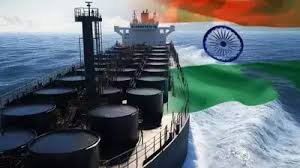
India has received significant relief amidst the crisis in oil and LPG supplies triggered by escalating tensions in the Middle East. Twenty oil tankers are fully prepared to head to India via the Strait of Hormuz; they are currently awaiting only the final clearance from Iran. Reports indicate that once this permission is granted, these tankers will immediately set sail for India.
Continuous discussions regarding security arrangements are currently underway between India and Iran. Prime Minister Narendra Modi has established direct contact with the President of Iran. Following these discussions, it is understood that positive talks have taken place between the two nations regarding the provision of a safe passage for Indian vessels along the Hormuz route.
According to a Bloomberg report, 10 of these 20 tankers are carrying LPG. These tankers are operating under contractual agreements for major Indian refinery companies such as Indian Oil Corporation and Hindustan Petroleum. Additionally, five tankers are transporting crude oil, while the remaining tankers are carrying fuel for other refinery companies.
India's oil and gas imports rely heavily on West Asia. Approximately two-thirds of India's LNG imports—and nearly the entirety of its LPG supply—originate from the Gulf nations. The supply chain had been severely disrupted due to the Strait of Hormuz being effectively closed off in the recent past.
External Affairs Minister S. Jaishankar has recently held discussions on three separate occasions with Iran's Deputy Foreign Minister, Abbas Araqchi. Both nations are actively coordinating with one another regarding safe passage and the protection of vessels. Currently, 28 vessels sailing under the Indian flag are operational in the Persian Gulf. Of these, 24 vessels are located in the western sector of the Strait of Hormuz, manned by a crew of 677 Indian sailors, while four vessels are situated in the eastern sector. Meanwhile, Iran's new Supreme Leader, Mojtaba Khamenei, has upheld the decision to keep the Strait of Hormuz closed. He clarified that the strait would remain shut in order to exert pressure on the United States and Israel. As 20 percent of the world's crude oil flows through this route, several nations are currently grappling with an energy crisis.
The Government of India, however, continues to make persistent efforts on the diplomatic front, and hopes are being expressed that supplies will soon be restored to normal.
India has received significant relief amidst the crisis in oil and LPG supplies triggered by escalating tensions in the Middle East. Twenty oil tankers are fully prepared to head to India via the Strait of Hormuz; they are currently awaiting only the final clearance from Iran. Reports indicate that once this permission is granted, these tankers will immediately set sail for India.
Continuous discussions regarding security arrangements are currently underway between India and Iran. Prime Minister Narendra Modi has established direct contact with the President of Iran. Following these discussions, it is understood that positive talks have taken place between the two nations regarding the provision of a safe passage for Indian vessels along the Hormuz route.
According to a Bloomberg report, 10 of these 20 tankers are carrying LPG. These tankers are operating under contractual agreements for major Indian refinery companies such as Indian Oil Corporation and Hindustan Petroleum. Additionally, five tankers are transporting crude oil, while the remaining tankers are carrying fuel for other refinery companies.
India's oil and gas imports rely heavily on West Asia. Approximately two-thirds of India's LNG imports—and nearly the entirety of its LPG supply—originate from the Gulf nations. The supply chain had been severely disrupted due to the Strait of Hormuz being effectively closed off in the recent past.
External Affairs Minister S. Jaishankar has recently held discussions on three separate occasions with Iran's Deputy Foreign Minister, Abbas Araqchi. Both nations are actively coordinating with one another regarding safe passage and the protection of vessels. Currently, 28 vessels sailing under the Indian flag are operational in the Persian Gulf. Of these, 24 vessels are located in the western sector of the Strait of Hormuz, manned by a crew of 677 Indian sailors, while four vessels are situated in the eastern sector. Meanwhile, Iran's new Supreme Leader, Mojtaba Khamenei, has upheld the decision to keep the Strait of Hormuz closed. He clarified that the strait would remain shut in order to exert pressure on the United States and Israel. As 20 percent of the world's crude oil flows through this route, several nations are currently grappling with an energy crisis.
The Government of India, however, continues to make persistent efforts on the diplomatic front, and hopes are being expressed that supplies will soon be restored to normal.
Continuous discussions regarding security arrangements are currently underway between India and Iran. Prime Minister Narendra Modi has established direct contact with the President of Iran. Following these discussions, it is understood that positive talks have taken place between the two nations regarding the provision of a safe passage for Indian vessels along the Hormuz route.
According to a Bloomberg report, 10 of these 20 tankers are carrying LPG. These tankers are operating under contractual agreements for major Indian refinery companies such as Indian Oil Corporation and Hindustan Petroleum. Additionally, five tankers are transporting crude oil, while the remaining tankers are carrying fuel for other refinery companies.
India's oil and gas imports rely heavily on West Asia. Approximately two-thirds of India's LNG imports—and nearly the entirety of its LPG supply—originate from the Gulf nations. The supply chain had been severely disrupted due to the Strait of Hormuz being effectively closed off in the recent past.
External Affairs Minister S. Jaishankar has recently held discussions on three separate occasions with Iran's Deputy Foreign Minister, Abbas Araqchi. Both nations are actively coordinating with one another regarding safe passage and the protection of vessels. Currently, 28 vessels sailing under the Indian flag are operational in the Persian Gulf. Of these, 24 vessels are located in the western sector of the Strait of Hormuz, manned by a crew of 677 Indian sailors, while four vessels are situated in the eastern sector. Meanwhile, Iran's new Supreme Leader, Mojtaba Khamenei, has upheld the decision to keep the Strait of Hormuz closed. He clarified that the strait would remain shut in order to exert pressure on the United States and Israel. As 20 percent of the world's crude oil flows through this route, several nations are currently grappling with an energy crisis.
The Government of India, however, continues to make persistent efforts on the diplomatic front, and hopes are being expressed that supplies will soon be restored to normal.




.png)