.jpg)


Fuel lockdown coming after Corona? Hormuz blockade shook the world!
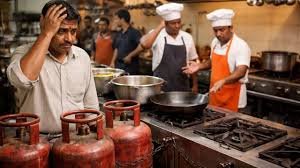
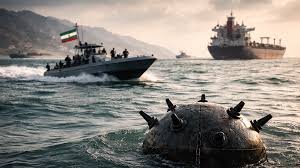
Pune, March 22, 2026: The war between Iran and Israel (US) has completed 23 days and there are no signs of peace. Iran's complete blockade of the Strait of Hormuz, an important route for the world's fuel supply, has caused an uproar in the global fuel market. The price of oil has reached 112 dollars per barrel, the price of gas in America has increased by 5 dollars per gallon.
In countries like India, 80 percent of oil imports are through the European route, hence there is fuel shortage and economic crisis. Due to the increase in the price of Khata, the question of food security has arisen as a result of the increase in the production of food grains. The same results are visible on air transport; United Airlines has reduced flights by 5%, and many governments are advising to avoid unnecessary travel – this brings back memories of the initial lockdowns during the Corona period.
Fuel rationing has started worldwide:
Oil rationing implemented in Japan.
Bangladesh, Philippines and Sri Lanka are big buyers for petrol.
Australia calls for reducing unnecessary migration.
There was already an economic crisis in Pakistan and fuel shortage made the situation even worse.
The International Energy Agency (IEA) has released a 10-point plan to tackle the fuel crisis, including:
Fixing the day of driving according to the number plate,
Reducing the speed limit on highways,
avoid air travel,
To increase the vapor of electric equipment,
Encouragement to do household work.
According to experts, if the war is prolonged, these measures can be sustainable. The digital permit system can control vehicles, travel and home appliances – which could also lead to a major lockdown across the world after the coronavirus pandemic.
This war is not limited only to the Middle East, it is threatening the fuel crisis of the global economy. Governments around the world are busy preparing for fuel saving and rationing. If the situation worsens, the possibility of a second major lockdown cannot be ruled out.
Pune, March 22, 2026: The war between Iran and Israel (US) has completed 23 days and there are no signs of peace. Iran's complete blockade of the Strait of Hormuz, an important route for the world's fuel supply, has caused an uproar in the global fuel market. The price of oil has reached 112 dollars per barrel, the price of gas in America has increased by 5 dollars per gallon.
In countries like India, 80 percent of oil imports are through the European route, hence there is fuel shortage and economic crisis. Due to the increase in the price of Khata, the question of food security has arisen as a result of the increase in the production of food grains. The same results are visible on air transport; United Airlines has reduced flights by 5%, and many governments are advising to avoid unnecessary travel – this brings back memories of the initial lockdowns during the Corona period.
Fuel rationing has started worldwide:
Oil rationing implemented in Japan.
Bangladesh, Philippines and Sri Lanka are big buyers for petrol.
Australia calls for reducing unnecessary migration.
There was already an economic crisis in Pakistan and fuel shortage made the situation even worse.
The International Energy Agency (IEA) has released a 10-point plan to tackle the fuel crisis, including:
Fixing the day of driving according to the number plate,
Reducing the speed limit on highways,
avoid air travel,
To increase the vapor of electric equipment,
Encouragement to do household work.
According to experts, if the war is prolonged, these measures can be sustainable. The digital permit system can control vehicles, travel and home appliances – which could also lead to a major lockdown across the world after the coronavirus pandemic.
This war is not limited only to the Middle East, it is threatening the fuel crisis of the global economy. Governments around the world are busy preparing for fuel saving and rationing. If the situation worsens, the possibility of a second major lockdown cannot be ruled out.
In countries like India, 80 percent of oil imports are through the European route, hence there is fuel shortage and economic crisis. Due to the increase in the price of Khata, the question of food security has arisen as a result of the increase in the production of food grains. The same results are visible on air transport; United Airlines has reduced flights by 5%, and many governments are advising to avoid unnecessary travel – this brings back memories of the initial lockdowns during the Corona period.
Fuel rationing has started worldwide:
Oil rationing implemented in Japan.
Bangladesh, Philippines and Sri Lanka are big buyers for petrol.
Australia calls for reducing unnecessary migration.
There was already an economic crisis in Pakistan and fuel shortage made the situation even worse.
The International Energy Agency (IEA) has released a 10-point plan to tackle the fuel crisis, including:
Fixing the day of driving according to the number plate,
Reducing the speed limit on highways,
avoid air travel,
To increase the vapor of electric equipment,
Encouragement to do household work.
According to experts, if the war is prolonged, these measures can be sustainable. The digital permit system can control vehicles, travel and home appliances – which could also lead to a major lockdown across the world after the coronavirus pandemic.
This war is not limited only to the Middle East, it is threatening the fuel crisis of the global economy. Governments around the world are busy preparing for fuel saving and rationing. If the situation worsens, the possibility of a second major lockdown cannot be ruled out.