.jpg)
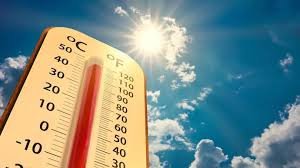


Heatstroke: A Medical Emergency
Nagpur, 27th: As the risk of intensifying heat due to climate change rises, the likelihood of an increase in heat-related illnesses is also growing. It is absolutely essential to seek immediate medical assistance if one observes any adverse health effects caused by heat or notices symptoms of heat-related ailments. The administration has issued an appeal urging the public to remain vigilant regarding heatstroke.
Given the increasing intensity of the sun, it is advisable to avoid venturing outdoors during the hottest hours whenever possible. Furthermore, take necessary precautions to ensure that stepping out does not result in heat-related distress. When going out, wear thin, loose-fitting cotton clothing—preferably in light colors—and keep your head covered. When exposed to direct sunlight, use an umbrella, a hat, a towel, or other traditional head coverings. Always wear shoes or sandals when stepping out in the sun.
**Impact of Heat on Health**
Generally, one should take precautions to prevent the body temperature from rising excessively. Extreme heat conditions carry the risk of causing illnesses ranging from mild to severe. These include skin rashes, swelling, heat cramps in the legs, heatstroke, confusion or disorientation, mental fogginess, and heat-induced fatigue. Additionally, extreme heat can exacerbate the strain on pre-existing chronic conditions such as cardiovascular, respiratory, and kidney diseases.
Heat exposure can lead to dizziness or fainting, headaches, nausea or vomiting, excessive thirst, and a reduction in urine output accompanied by very dark yellow urine. It can also affect breathing patterns and heart rate, causing them to accelerate.
If any symptoms of heat-related illness are observed, it is imperative to seek immediate medical assistance. Furthermore, moving to a cool environment and consuming plenty of fluids—preferably water—is essential for maintaining health. Heatstroke constitutes a medical emergency. The administration has urged the public to seek immediate medical assistance if any warning signs are observed.
If an individual is found to have an elevated body temperature—or exhibits symptoms such as unconsciousness, confusion, or an absence of sweating—medical assistance should be sought immediately by calling 108 or 102. During this interim period, the Health Department advises attempting to keep the individual's body cool, for instance, by covering them with a cloth dampened with cold water.
Within the jurisdictions of municipal corporations and local self-government bodies, various preventive measures have been implemented to protect citizens from heatstroke during the summer season. In this context, the 'City Heat Action Plan-2026' has been implemented across the city.
Nagpur, 27th: As the risk of intensifying heat due to climate change rises, the likelihood of an increase in heat-related illnesses is also growing. It is absolutely essential to seek immediate medical assistance if one observes any adverse health effects caused by heat or notices symptoms of heat-related ailments. The administration has issued an appeal urging the public to remain vigilant regarding heatstroke.
Given the increasing intensity of the sun, it is advisable to avoid venturing outdoors during the hottest hours whenever possible. Furthermore, take necessary precautions to ensure that stepping out does not result in heat-related distress. When going out, wear thin, loose-fitting cotton clothing—preferably in light colors—and keep your head covered. When exposed to direct sunlight, use an umbrella, a hat, a towel, or other traditional head coverings. Always wear shoes or sandals when stepping out in the sun.
**Impact of Heat on Health**
Generally, one should take precautions to prevent the body temperature from rising excessively. Extreme heat conditions carry the risk of causing illnesses ranging from mild to severe. These include skin rashes, swelling, heat cramps in the legs, heatstroke, confusion or disorientation, mental fogginess, and heat-induced fatigue. Additionally, extreme heat can exacerbate the strain on pre-existing chronic conditions such as cardiovascular, respiratory, and kidney diseases.
Heat exposure can lead to dizziness or fainting, headaches, nausea or vomiting, excessive thirst, and a reduction in urine output accompanied by very dark yellow urine. It can also affect breathing patterns and heart rate, causing them to accelerate.
If any symptoms of heat-related illness are observed, it is imperative to seek immediate medical assistance. Furthermore, moving to a cool environment and consuming plenty of fluids—preferably water—is essential for maintaining health. Heatstroke constitutes a medical emergency. The administration has urged the public to seek immediate medical assistance if any warning signs are observed.
If an individual is found to have an elevated body temperature—or exhibits symptoms such as unconsciousness, confusion, or an absence of sweating—medical assistance should be sought immediately by calling 108 or 102. During this interim period, the Health Department advises attempting to keep the individual's body cool, for instance, by covering them with a cloth dampened with cold water.
Within the jurisdictions of municipal corporations and local self-government bodies, various preventive measures have been implemented to protect citizens from heatstroke during the summer season. In this context, the 'City Heat Action Plan-2026' has been implemented across the city.
Given the increasing intensity of the sun, it is advisable to avoid venturing outdoors during the hottest hours whenever possible. Furthermore, take necessary precautions to ensure that stepping out does not result in heat-related distress. When going out, wear thin, loose-fitting cotton clothing—preferably in light colors—and keep your head covered. When exposed to direct sunlight, use an umbrella, a hat, a towel, or other traditional head coverings. Always wear shoes or sandals when stepping out in the sun.
**Impact of Heat on Health**
Generally, one should take precautions to prevent the body temperature from rising excessively. Extreme heat conditions carry the risk of causing illnesses ranging from mild to severe. These include skin rashes, swelling, heat cramps in the legs, heatstroke, confusion or disorientation, mental fogginess, and heat-induced fatigue. Additionally, extreme heat can exacerbate the strain on pre-existing chronic conditions such as cardiovascular, respiratory, and kidney diseases.
Heat exposure can lead to dizziness or fainting, headaches, nausea or vomiting, excessive thirst, and a reduction in urine output accompanied by very dark yellow urine. It can also affect breathing patterns and heart rate, causing them to accelerate.
If any symptoms of heat-related illness are observed, it is imperative to seek immediate medical assistance. Furthermore, moving to a cool environment and consuming plenty of fluids—preferably water—is essential for maintaining health. Heatstroke constitutes a medical emergency. The administration has urged the public to seek immediate medical assistance if any warning signs are observed.
If an individual is found to have an elevated body temperature—or exhibits symptoms such as unconsciousness, confusion, or an absence of sweating—medical assistance should be sought immediately by calling 108 or 102. During this interim period, the Health Department advises attempting to keep the individual's body cool, for instance, by covering them with a cloth dampened with cold water.
Within the jurisdictions of municipal corporations and local self-government bodies, various preventive measures have been implemented to protect citizens from heatstroke during the summer season. In this context, the 'City Heat Action Plan-2026' has been implemented across the city.